
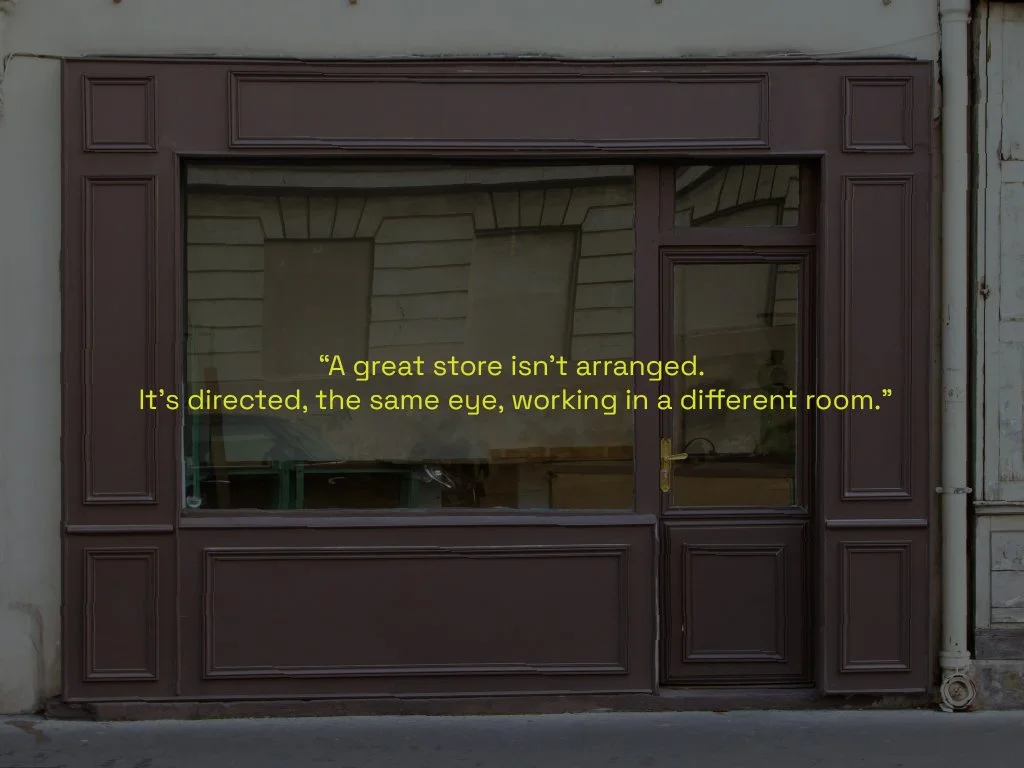
Same Job, Different Room: What Art Direction and Visual Merchandising Actually Share
Art direction and visual merchandising are treated as separate disciplines, but they’re solving the exact same problem - where a viewer’s eye should go, and what they should feel at each stop. This piece looks at the shared skeleton behind a great photograph and a great store, from visual hierarchy to the psychology of restraint.
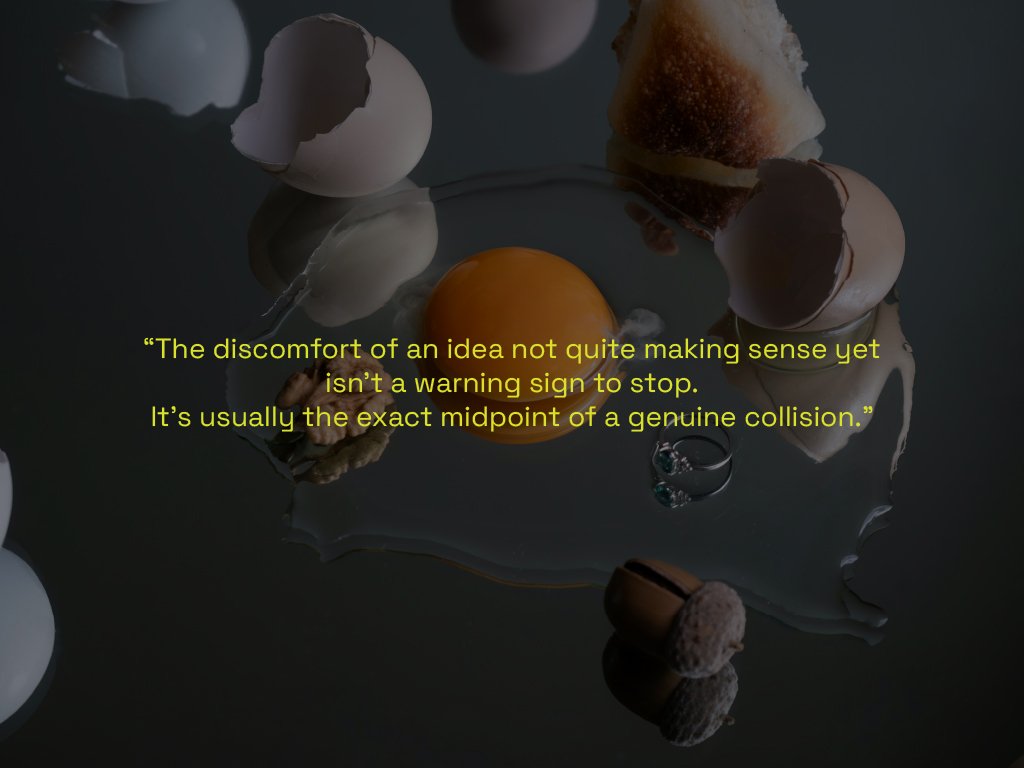
The Creative Clash: Why the Most Interesting Ideas Are Born When Two Unrelated Worlds Collide
Great ideas are almost never invented from scratch, they’re collisions between two things that had no business being in the same room. This piece looks at why conceptual distance, not depth, is what actually produces original creative work.
Retail Is Theatre: Every Great Store Tells a Story Before It Sells a Product
A great store isn’t designed to display products — it’s designed to put you inside a story, and the products are just the props. This piece unpacks the staging behind retail spaces: pacing, scent, sound, and the psychology of discovery that shapes a purchase before you’ve picked anything up.
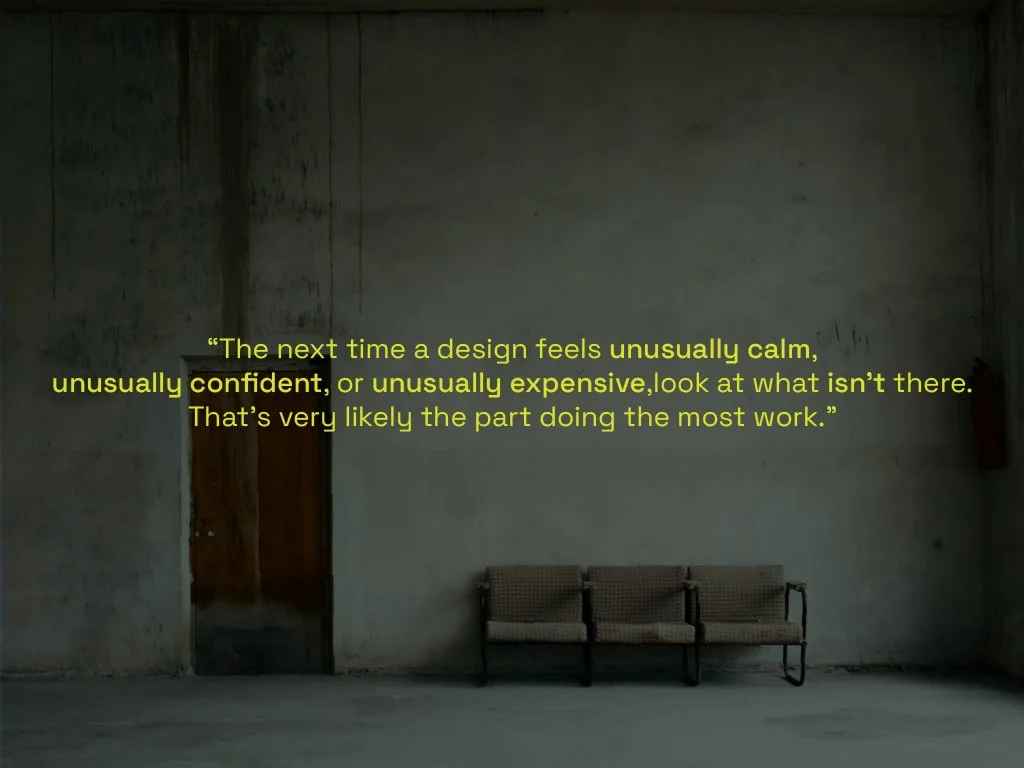
The Emotional Weight of Empty Space: Why Silence Is One of the Most Powerful Design Tools
Every instinct in design points toward filling the gap — the skill is learning why the best designers leave it alone. This piece explores how negative space signals confidence, value, and restraint long before anything else on the page does.
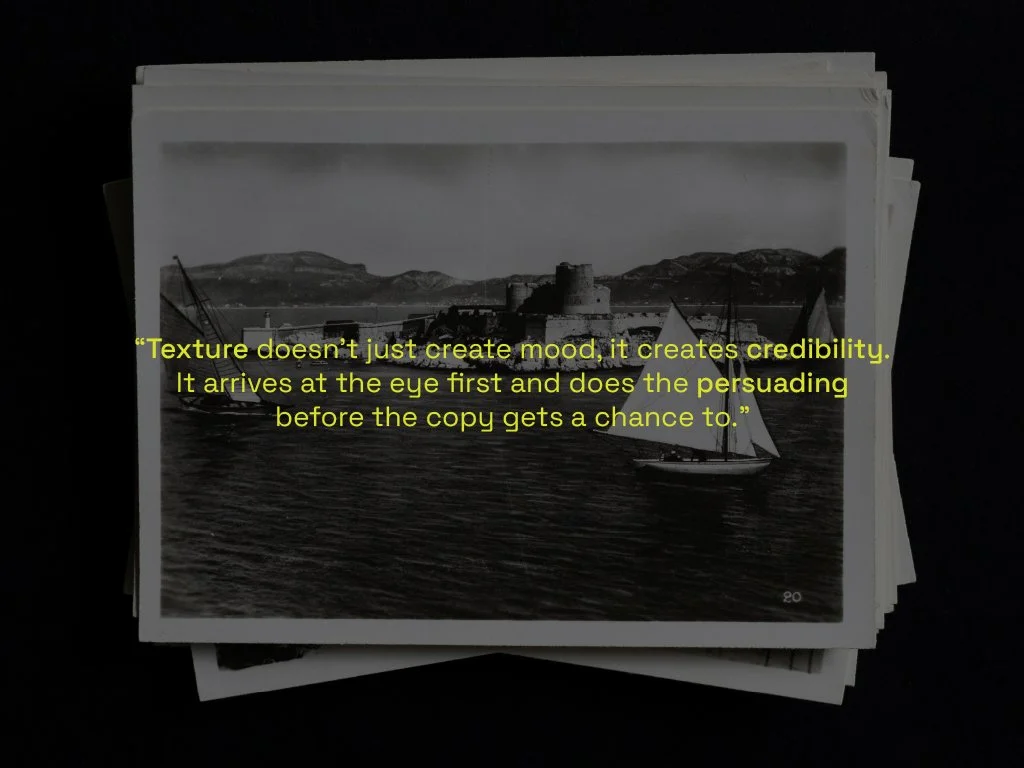
The Psychology of Texture: Why We Can Almost Feel a Design Before We Touch It
Your brain doesn’t fully separate seeing from touching — the same part of it lights up whether you’re looking at a rough surface or actually running your hand across one. This piece looks at why texture shapes trust and perceived value before anyone reads a word of copy.